Author: RM

  • One of 8 billion others

    One of 8 billion others

    Who wrote all this? It is not the person who thinks up and writes that matters, it’s the words themselves, but anyway… having worked as a cashier, programmer, storeman, unsuccessful book salesman, forklift driver, desktop publishing artist, writer, copywriter and editor, seen how drugs and booze affects friends and family, survived several relationships and stuck with one for half a century; lives on a pea-sized island that has a cosmopolitan history and had three national anthems – these are his thoughts and if you disagree, you’re entitled to. But apparently, humans are mostly idiots, this writer included, only a little more willing than many to wonder why. We all live on a spinning ball in space that is turning into a loony bin of rampant misbehavior, a world with electorates serving government’s instead of the other way around, with warmongers galore who enrich themselves making tools of destruction and if you spare a thought, you’ll see that we’re doomed if we don’t wake up soon.

    In any attempt to read non-fiction a reader would want to know whether the writer is qualified to present what he or she deems as facts, and life itself has provided those qualifications. These writings are based on observations and much self-reflection, with no intention to deceive anyone. Quite the opposite, in fact. They come from a perceived need to point out things that we don’t normally think about. We live our lives precariously, each for themselves, man or woman and those in-between. We don’t care about anything for as long as number one gets all the joy and pleasure possible, all the leisure, all the credit, all the hoopla, never mind the bickering, the differences we make up that separate us. The question is what drives all these demonstrations of behavior and is it possible to avoid their consequences. We need to cast aside our mental laziness and think. If we dare not be frank and honest with others, at least be frank and honest with ourselves. People who have known me will point out that I have been guilty as any of the misbehaviors written about here. It’s true, but much self-reflection has brought about realizations of their folly and ways to overcome them.

    Without seeking a psychological or spiritual adviser how are we to understand the way we go about doing the things we do? Like so many thinkers, discoverers and inventors, the first and last resort is our lone self, but where do we begin? We start by asking frank questions. We probe our minds for answers, curiously, frankly, fearlessly and honestly. It is hoped that the words presented here will help evoke this awareness.

  • YOU ARE WHAT YOU EAT

    YOU ARE WHAT YOU EAT

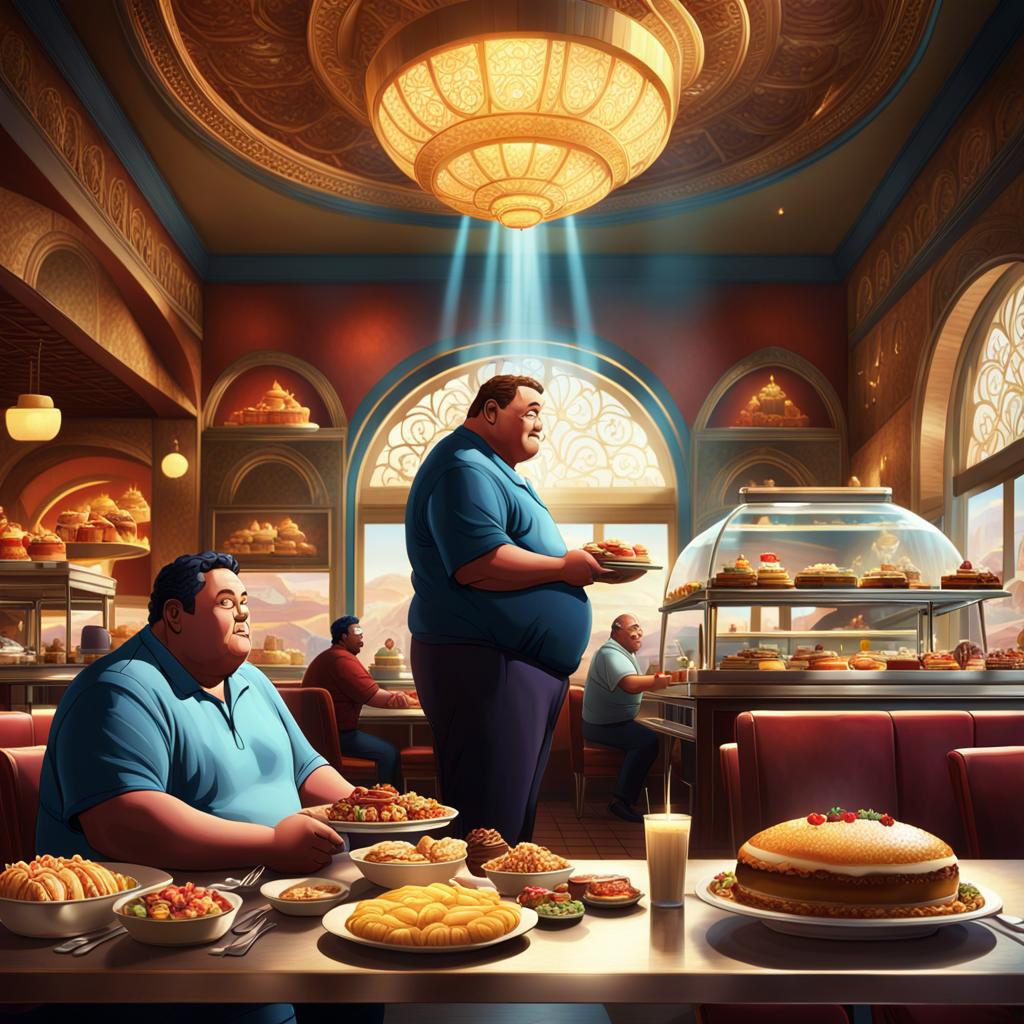
    Consider the food that we eat: too little or too much of some foods affects our ability to be healthy and mentally clear. It’s a side of us that we don’t usually associate with misbehavior except that it is, directed at ourselves. Many people stick to only what they like to eat and miss out on essential nutrients, causing an imbalance of what our body needs to work at its best and because this deficiency impacts brain function, it affects our emotions and our ability to make sound decisions.

    We are electro-biochemical beings that need a fine balance of biochemical compounds to operate efficiently. Biochemistry scientists tell us that the human body is almost entirely made up of just six chemical elements including calcium and phosphorus, but oxygen, hydrogen, carbon, and nitrogen account for 99% of all the atoms throughout our bodies, mostly as water. These are what biomolecules such as proteins, fats, DNA, and carbohydrates are made up of. Macromolecules of the food we eat is digested and turned into small molecules that can be absorbed into body fluids and transported to cells throughout the body.

    A hungry man is an angry man

    Remember the saying, a hungry man is an angry man? That is the perfect example of how lack of nutrients affects us. A lack of food can upset our well-being especially if we are used to eating regularly and are late for a meal. If we are not used to fasting and don’t know how to handle its effects, hunger can upset our moods. Nothing seems reasonable and we lose our patience because hunger is difficult to deal with, more so if we did not choose to go without food for that period. A poor diet affects our moods, responses, and memory, influencing our mental clarity and ability to respond adequately to anything.

    If we are ignorant or not watchful about what we eat there is a high chance of missing out on some very important and necessary foods. If you can read there is no excuse to remain ignorant about this. Now that we have resources on the Internet where a lot of information is published, it is easier to find out things we don’t know about. Just be sure that the information you get is based on evidence, on reliable and proper research.

    For example, we will find that nutrients such as B vitamins, especially B6, B9 and B12 are crucial for brain health as they help produce chemical substances called neurotransmitters such as serotonin, dopamine and GABA, which regulate mood and emotional stability. Vitamin D too, has a role in serotonin production. A deficiency in Magnesium is linked to anxiety and depression because it has a calming effect on the brain. Vitamin C and E and other antioxidants also support brain health and emotional well-being. A lack of Omega-3, a fatty acid, is strongly believed to impact memory loss and depression. If we want to be able to think clearly and rationally it is important to know what foods support our ability to be mentally healthy. Hericenones, erinacenes and polysaccharides are also compounds that enhance brain health. Do consult other references or a dietician for more information on various sources of these nutrients.

    Foods and moods

    On the other hand, things that influence mental health negatively are diets high in processed foods and sugars; a high sugar intake is associated with an increased risk of depression and anxiety as it causes spikes and crashes in blood sugar levels, leading to mood swings and irritability. Too much sugar in the diet also leads to obesity and there is growing evidence that the fatter we get, the smaller our brains become, likely affecting our intellectual capacity to make rational decisions. Obese people are also at higher risk for dementia and Alzheimer’s and become a burden to family and society. If you can think clearly you won’t act against your own and everyone else’s interests, which is the cause of most of our problems. We don’t respond adequately and in fact act stupidly when we exert our wills ignorantly to indulge in our own thoughtless wants. And it is not just a nutritional and biochemical imbalance we have to deal with, though it’s logical to see that it is a significant cause.

    While it is apparent that the food we eat or avoid may make us more prone to mood swings, and although there are medical conditions that affect our emotions, the main cause is our self, the ever-present ‘I’ that drives all that we think say or do. If we are capable of mindfulness or controlled attention, we are more aware of how we react to the things that evoke our reactions, the expressions of our emotions. Not a common skill for most people, but conscious awareness is the only thing that can help us overcome our tendency to react negatively to any situation or provocation. For those of us who don’t have recourse to spiritual teachings or mindfulness training, it is a challenge but not impossible. But we first must acknowledge and honestly face up to the feelings and emotions that we have and get carried away by if we are to understand them. One can only arrive at a solution if we define the problem.

    Thoughts and mental postures

    As any observer can see, pride is likely the most common mental posture humans adopt and one we hardly question: to feel pleased about something we relate to, either people, an idea or a skill. We take it for granted that it is a natural human trait. It is for many, and we take it for granted and don’t wonder if it has any basis, but if we bothered to think about it, there isn’t any. Pride is imaginary, a thought that we create “in our heads”. Even if it is justified by wealth, position, education or ability it is just a thought brought on by our ego, an idea we defend. Not that it is morally questionable, but it is a thought, an idea we imagine. What matters is how we behave because of it. Many of us have this secret prince or princess in our minds who won’t tolerate being offended or disrespected about things we feel proud of. This attitude separates us from one another, and separation is the cause of conflicts.

    All our emotions have this effect. For instance, we get worked up, get angry and hate someone but never question why we should feel that way… we just do it. If it is not caused by an outright wrongdoing, it is always because that person’s looks, behaviour or words don’t conform to what we think is “right” – we have given ourselves the authority to play boss, to decide how they should conduct themselves. We are blind to the fact that we are acting as self-appointed judges of what is “proper”. This disapproval is also rooted in jealousy – not liking that others have something that you don’t. See how emotions sway us in unbeneficial ways.

    Unforgiveness is yet another state of mind we allow ourselves to get into, clinging on to the hurt we feel for being wronged or offended. The degree of hurt is tied to the magnitude of our self-importance – the more important we think we are, the greater the pain. We feel that we are inviolable and hate to accept that the “offender” dared to say or do what they did. Note, we cannot be responsible for what goes on in another person’s mind and how they behave, but we can be mindful, attentive to how and why we react. Unforgiveness does us more harm than the person it is directed at, literally.

    Physiology of emotions

    The trouble with negative emotions is what they do to our bodies. When we stress ourselves with thoughts of rights and wrongs and should and should-nots it is we who suffer the consequences. Stress, mental conflicts, cause our bodies to release hormones that play havoc on our health. Remember the fight or flight response where our bodies produce these substances that increase blood pressure, speed up our breathing and generally agitate our physiology and you see how upset we can get – the total opposite of a calm and rational state. When this happens regularly, we can never remain cool and collected and will always react negatively in any situation.

    Worse still, we become prone to headaches, muscle pains, fatigue, stomach upsets, sleep problems and get sick more easily due to a weakened immune system. As a result, we become anxious, restless, less motivated to do things, start having memory problems, feel overwhelmed and avoid friends, become grumpy, stop exercising, have difficulty sleeping and feel sad or depressed, and lose our sex drive. These are unpleasant states to be in and we become unpleasant people to deal with.

    As if all this wasn’t bad enough, all these stress hormones released into our bloodstreams result in neck and shoulder pains because our blood vessels enlarge to allow faster oxygen delivery, causing us to clutch and tighten muscles in the neck, jaw and shoulders, increasing the tension in the muscles across the back, restricting neck and shoulder movement, making the pain feel worse. People who are stressed also turn to “comfort eating” – pleasuring themselves with foods high in fat and sugar to try to make themselves feel better but they become fatter and even more unhealthy. Isn’t that enough reason to try and find a way to avoid all this unpleasantness? Many of us claim to be seeking happiness but we are too mentally lazy to even think of what that means and persist in our childish egotistical ways of pleasing ourselves with temporary thrills through eating, sex, fantasy games, gambling, whatever can bring on that adrenaline rush of excitement. And forget about moral judgements, this is about unpleasant and even harmful consequences that we heedlessly invite to give ourselves the opposite of happy. Then we inflict other kinds of pain, our sour moods, on people around us. Silly just begins to describe this.

  • MENTAL FLIMFLAM

    The many decent, caring and sensible people everywhere can see that a great many of us live life dishonestly and heedlessly, a definite misbehavior with wretched consequences for people who must associate with them. Even among educated people who are supposed to be able to think maturely and rationally, we are still faced with shameless behavior wherever and whenever in all our dealings. Education apparently isn’t a measure of good behavior and may even undermine our spirituality and intuitive capabilities. And, although most of us have been taught what good behavior is, we remain ignorant about what causes us to misbehave. Too few of us know how to question our motivations about why we do what we do – we just do them, driven by an unseen something that has free rein to think, say or do anything. That driver is our ‘ego’, for which the uncomplicated definition is: “your idea or opinion of yourself, especially your feeling of your own importance and ability”. This is the invisible root of self-centeredness and self-importance.

    One of the very common expressions of this ego is the ability to fool ourselves, to be pretentious and dishonest in our thoughts and the way we deal with things and people. Notice how we act as though we are flawless and faultless and when we do make mistakes, we hate to have them pointed out because it exposes this pretentiousness. Our ego makes us feel we must have things go our way, to suit our preferences regardless of how they affect others, and we are often unwilling to compromise or give way so that others’ needs can be met as much as our own. We clash like demigods out to outdo each other.

    Our ego’s dominant pride

    Observe and you’ll see that the overriding human expression is pride. While this is a reasonable feeling for our own or our loved one’s accomplishments, as a notion of superiority it veers to impudence. We think our mundane achievements puts us on a pedestal and grants us the right to be arrogant and we look down on those less accomplished, disregarding their worth. Very often this sense of pride is not even based on any accomplishment but of a grand idea of oneself. Self-importance is its root. If we realize that as human beings, we are insubstantial forms of energy common to all living and inanimate things and are going to age and die one day, what gives self-importance its validity or necessity? Why pretend we are immortal?

    It is also because of this mental stance that we get into pointless arguments, not clarifying any facts or solving any problem but stubbornly not giving in regardless of reason because then we would lose. And what would we lose? An idea or a point of view held as important, that may not have any merit, but we make it unquestionable, that’s all.

    There are many variations to this human parade of ego and dishonesty. We euphemize when we want to avoid telling hard truths about things – someone dies, and we say that person has ‘passed away’. Is death so hard to accept? It’s the one-and-only guarantee of our lives. We tell “white lies” to avoid hurting someone’s feelings or pretend a blunder hasn’t been witnessed to “give face”. Is it because we don’t want the blunderer to feel hurt or because we fear that we might be the ones embarrassed in a similar situation? We lack the honesty and courage to admit our faults. See that the hurt arises from a fragile ego and a reluctance to have it insulted, like a touch-me-not plant that folds its leaves defensively when touched, afraid to be chewed up. Remind yourself that this ego is imaginary, a notion that we carry in our thoughts. We defend this idea as though it were a precious living thing.

    What are we protecting?

    Of course, our bodies are living things and even among animals it is instinctive to protect ourselves from threats, but apart from life-threatening situations or bodily harm what are we protecting against? Except in crime-infested areas or war zones what is the threat? It is all in our imagination – “my” dignity, “my” values, “my” beliefs, “my” views, “my” worth, “my” idea of being special that shouldn’t be criticised, made fun of, contradicted, ignored or taken for granted. Imagine the tremendous peace of mind to be free of this weight of self-centredness, to be able to live without the need to protect these notions. Is it not silly to glue these thoughts and ideas to our minds then die without even having understood what’s going on, living a stressful life, wracked by worries, resentments and regrets just to protect a concept – a deepfake image longing to be real.

    There’s more. Because predators are aware of this fakery they take advantage of it with their own dishonest manipulation, pouncing on our longings, promising to satisfy them. Fooled by words and images we believe that we are being rescued by a knight in shining armour or a heavenly princess who will turn our lives into marvels of endless joy and pleasure. Goaded by visions of great wealth we lay our bets of borrowings or savings on possibilities conjured by liars who giggle ecstatically as they run off with the bounty released by our beliefs. Enticed by prospects of sensory bliss we are snared by sellers of psychotropic substances who thrive on victims trapped by addictions that fill minds with despair and bodies with actual pain when they are not constantly appeased. All because of an ego that seeks constant gratification as if life should be a never-ending blast of satisfaction. People in these predicaments lack the skills to be aware of themselves and to what drives them to do the things they do. It’s only when their lives hit a wall that they ask why.

    Meanwhile human pretentiousness persists with its chameleon-like range of creativity. We see bullies preying on anyone they think hasn’t the physical or mental strength to fight back, but they themselves are cowards who, when you stand up to them, will back off. Except for the insanely domineering they only assume that they can exert their wills on others and remain in control. Then there are those dawdlers who seem to be incapable of being punctual, always assuming the world will wait to cater to their whims. There are people who think they are rich just because they can buy more things than others, inflating their egos with their petty power to own more than they need while ignoring those who are needy. Fakes and flakes galore, we truly are a strange species.

    Misguided motives

    How about those with “good intentions”, who foist their chosen “values” on others, proselytizing narrow views without considering what is beneficial and life-supporting? Only their definitions of “good” or “bad” apply, according to a rulebook they have adopted and are adamant that it is the only measure to go by. They are not aware that their views are subjective, that only they have accepted their “norms” but think that others should also accept them. There are so many definitions of what is right, wrong or acceptable, and we should be wary of the division, separation and conflicts they result in. The only universal measure should be that none are excluded, that all can benefit equally, or else instead of serving a supportive purpose, they create differences and disharmony.

    Looked at frankly, much of human behaviour is pretentious, dishonest and self-serving, all due to our ability to exert our wills as we like. This will, a thought, an idea, has no basis apart from what we grant it. We are like magicians, conjuring up a fantasy out of nothing. Look for it, this ego that moves us to everything we think of, say or do. Where is it? How does it appear? What grounds do we have to validate it apart from sheer imagination and stubbornness? It’s an issue within all of us.

    No one else can be responsible for me

    If we are wanting to change anything for the better, we need to start with ourselves, asking why we are inclined that way. Why would we not want good relationships, well-being and peace of mind? Why let irrationality have its way with all its detrimental and unbeneficial consequences? What happiness can anyone gain? Even without considering the concept of karmic results for our actions, benefit is all that matters. In fact, the root meaning of karma is ’action’ and by extension, the consequences of it. Liken it to a boomerang and you see that when you send it out, for better or worse it returns.

    We also have a tremendous capacity to take things for granted. We’re only human is the favorite excuse for our misbehavior, and one shouldn’t expect any other kind of expression because these are human weaknesses. But that very word points to a flaw, being a ninny despite having the intelligence and power to opt for life-supporting and beneficial actions. We can benefit everyone equally if we look at ourselves honestly, without prejudice, and analyze the whys of our emotions and motivations and reactionary ways that get us into so much trouble.

    The trouble with pretentiousness is it’s not real. It’s fakery. We are not being true to ourselves. Fooling other people is bad enough but fooling ourselves is the height of idiocy. Pretending means you are not what you really are and if you were brutally honest with yourself you would know this, so who’s the real fool?

  • SELF SLAVERY

    SELF SLAVERY

    Is it possible to free ourselves from conflicts caused by our self-centered expression, which is a common form of misbehavior that impacts our relationships? We could, by looking inward and questioning ourselves, not be carried away blindly by our own wants, likes and dislikes and other subjective reasoning, which prevents consideration for other’s needs. Few have the will to try. There’s always that nagging voice saying ‘I’ am important, ‘I’ must take care of me, ‘I’ have my rights. But we live as families or groups within a society and are interdependent in so many ways that self-importance disturbs these relationships.

    If we are clearly aware of the separation that egotism causes, we could begin to resolve this issue. One way is to look for the root of it, the source of this ‘I’ – perhaps originating in our brain. Could it be there? Scientists have recorded responses when they measure electrical activity in our brains, finding that signals are activated and can be measured by the things we see, hear, smell, feel or think about. Each response shows as a reaction in different areas of the brain. All our responses, through nerves that switch functions in the body on or off and activate muscle movements, are a two-way communication. So, they conclude that the controlling “motherboard” must be the brain. Then, what is the unseen force or operator that can steer or override this motherboard?

    Where is the thinker?

    How do you explain that we can decide, maintain a line of thought, or respond to a given situation? What gives us the ability to initiate? We can decide when to do something or not; how, where, and why to do it and with whom.

    Where is this ‘ego’, the starter of our intentions? Can you pinpoint its location? A spot in the brain? In which part of the brain? Is it not created in thought? Is there something that imagines it or does the thought itself create that something? Not that there is a clear-cut or widely accepted answer, but we can agree that it is something that we cannot see. It does not have a describable appearance, and we cannot say where it comes from or where it is. Yet it makes us think the way we think.

    Without judging this as right or wrong or good or bad, what we decide and what we do affects other people and their lives. Our words and actions can change our relationships, how people see us, how they respond to us, and these words and actions either hold us together or separate us. It all comes from believing that this ego can and should do as it wishes.

    Consider again that we cannot see it, do not know where it comes from, do not know where it sits, whether in our brain or our body. We are just carried away by its likes or dislikes, moved by an unseeable thing. You could be laughing at how odd this is, or crying about how it has disturbed relationships at every level. But those who look at this objectively can begin to understand and put an end to their bondage.

    It is bondage, no better word to describe it, with its strong grasp on us via our senses. What we see as beautiful stirs us, whether it is a human body, an object, a piece of art, or scenery. We are captivated by a voice or music; our ability to smell and taste is enraptured by foods that we like and if we are touched by someone who we love we are thrilled. Five ways, through our senses, for our ego to lead us like the blind. If we are aware of how these things move us, we avoid being carried away to extremes.

    Staying safe and free

    Humans are vulnerable beings, having to deal with our environment as well as with other people for things to keep us alive, making it necessary to develop not only practical skills but our mental capabilities as well.

    The first is more straightforward and we have learned how to sustain ourselves. The second, the mental part of us, is more complex. Because much of our learning is for practical skills, we put less emphasis on knowing our psychological needs. But those who are aware of this and understand motivation have an advantage over those who don’t. So, even if we are not interested in science or in studying human behaviour, a very basic inkling helps.

    The study of behaviour and how the mind works is the field of psychology, a subject with many branches. There is no theory accepted equally by all practitioners that explains how people see things or become conscious of their behaviour, and psychologists recognize that many things influence it, resulting in many branches of psychology. There is the area of behaviourism, clinical psychology, cognitive psychology, humanistic psychology, and so on. Psychologists also investigate how our body and brain interact and how each affects the other, how society and the environment Influences us, as well as how children develop mentally.

    One specific area of practice affects everyone, and most people don’t know it. This is sales psychology, which studies how to motivate people to spend their money, how emotions affect their decisions and how sellers focus on people’s emotional needs to press them into buying something. Because it is a study of motivation and reveals what makes us do things, it gives politicians and salespeople (and conmen) an advantage when they use this knowledge. They become able to know, use it, and influence or control people when they have effective ways to persuade them. When a particular group owns and controls the mass media, i.e., newspapers, and television channels that most people read or see, the controllers of those media can influence the public to believe things that suit their plans.

    Hidden motivators

    More so when we are not aware of what motivates us. This is the point, that if we are blur about our thoughts and feelings, we are easily used by others who know how to get under our skin, so to speak. We allow them to twist our feelings, to make us believe things that are not true and do things that are not to our advantage. When we are not clear about how we think, how and why we respond to words and situations, we get blinded by likes and dislikes that govern our thoughts.

    We become like puppets if we are not clear about things, if our minds are constantly wrapped around our personal concerns, unaware that we are slyly being told what to think. Being distracted by our desires and emotions is the commonest trait among humans and is the thing that makes us vulnerable.

    This is not a moral judgment of right and wrong, but it is the potential to create consequences that we should be most aware of when we are more vulnerable than we should be.

    Consequences to everything

    One thing happens that causes something else, consequences rule everything on our planet. The birth and growth of plants, animals and humans is the result of germination or fertilization, having sunlight, water, and nutrients to support life and growth. Death is the result of the decay of each life-form as age causes cells to wear out and stop growing. Nothing escapes these sequences.

    So is the same in our relationships: every word we speak and every action we take has consequences, either positive or negative. Words start things happening or stops them, they strengthen or break relationships and are a part of our lives that we can’t escape. Every single area of our lives is affected:

    Tell a lie or betray someone and you destroy their trust – we lose respect for a person who cannot be depended on to keep their word, to do as they are expected. Knowing about the consequences of our words and actions is important because it affects how others see us.

    In dealing with children, we praise or reward behaviours that we approve of, so they learn to repeat those behaviours; showing disapproval means that certain behaviours are unacceptable, and children learn not to repeat them – they learn to associate outcomes with their actions.

    The same with partners in marriage: if we anger quickly or communicate poorly, our relationships are affected, preventing them from developing positively. If we show kindness, empathy, and support towards our partners, they learn to appreciate us, and our bonds get stronger. For a partnership to be wholesome we need to share ideas and thoughts, adapt to each other’s needs and be honest, to deepen our own understanding of how to relate to each other.

    Putting off our studies results in poor grades or even failure; committing to a fitness routine results in better physical and mental health, higher energy levels and a sense of accomplishment. We avoid bad consequences when we learn from our mistakes and can judge what could happen because of what we want to do. This conscious awareness is a measure of our character and integrity.

    Consequences in the workplace are equally serious. Mistakes bring loss and damage to a company’s reputation and spoil our career prospects. If we are not on talking terms with colleagues and are not clear about work to be done on time, we create friction and cause projects to fail and end up being unhappy in the workplace.  And if we can’t adapt to changes, we not only reduce our chances of getting promoted, but we may also not be able to keep our jobs. Honesty is vital too because of legal problems due to fraud and loss of reputation. Everything we think about or do can create unwanted results or bring on benefits depending on how carefully we respond to people and situations.

    Generally, causes and effects are something that we all become aware of in our dealings with people we live or work with and we learn to behave accordingly, ideally to protect each other.

  • DEFENDING THE ‘ME’

    DEFENDING THE ‘ME’

    Do you notice that apart from what we own, the things we protect exist only in our minds? We defend things that nobody can see – ideas of who we are and what we know. Because we hold a certain image of ourselves, we do not like people to point out anything that disagrees with what we think. We hate to be corrected when we are wrong, to be exposed by our faults even when they are obvious. You see this in people of every age, socially, among families, friends, and colleagues, and more dangerously, between strangers. We may not see it as misbehavior but it does affect how we relate to people and how they perceive us.

    But what we are defending is an image we have created of ourselves. It could be because we have money and own more things or feel that we have more knowledge. It can also be based on our values. Right or wrong, good, or bad, are concepts we hold in our minds that we are proud of, that we do not like to be questioned about. Anyone who doubts or contradicts these thoughts becomes an enemy.

    The mental tricks we play on ourselves

     Note that these thoughts are not known to others, only we know about them. We decide how valid they are and how far we should go to defend them, which could have unexpected or unpleasant consequences. See how these thoughts rule us, our behaviour, our responses, and how they can cause problems in all our relationships.

    Yet we allow these unseen thoughts on likes and dislikes to control our lives. Of course, we all have our reasons about what we prefer, but the fact is that we are responsible for what we think. No matter what reasons or basis we have for thinking, saying, or doing what we do, we are the only ones who can stop the harmful words or actions that we inflict on each other. And it is possible to stop them when we acknowledge and realise that we would be hurt if the abuse was directed at us.

    Every sacred text has its version of the Golden Rule. The Buddha is quoted as saying, “Whatever is disagreeable to yourself, do not do unto others”; the Christian version is almost identical,  “Do unto others as you would have others do unto you”; the quotation from Confucius is, “Do not do to others what you do not want them to do to you”; while the Hindus say, “This is the sum of duty; do naught unto others what you would not have them do unto you”; in Islamic teachings, “Do unto all men as you would wish to have done to you”; and in Judaism, “Do good to others as you would like good to be done to you”. The reminders are repeated historically, and a person would have to be somewhat uneducated not to be aware of them or idiotically stubborn to ignore them.

    Yet we persist. We forget or ignore these sayings because of our stubborn egos. Notice again that this ego, the ‘I’ that we defend so strongly is, like so many other ideas we have, a thought form existing only in our imagination. It cannot be seen or touched. Which makes which? Does the ego create the thought or does the thought make the ego exist? You will not be able to tell. Both appear out of nothing, out of nowhere, like a conjurer’s trick, here one minute gone the next. Check it out. Get to the root if you can and if you do you could change the world.

    Even if you don’t change the world, you will see that the importance we place on this “thing” is weird and almost laughable except that we shed tears and cause others pain over it. We would be free if we didn’t have this emotional burden.

    Mind and body

    Even before people could write and produce books, they talked about mind and tried to define it. Scholars in the West now write about how we use our mind to analyze things while those of the East focus on intuition and how we experience our mind to sense things. Today’s scientists say that mind is an information processing system because of all the nerves that interact in the brain. They say that our mind is our brain because what we think about can be monitored: different parts of the brain show activity of electrical currents when we see, hear, or think about different things – how we measure space, use language, count using numbers, or feel (emotions) – can be observed as activity in different parts of the brain.

    But while these currents can be measured, and while the brain sends and receives signals to and from the parts of our bodies, it doesn’t mean that our brain is our mind, only that it shows how we respond to things. What if mind is some kind of invisible cosmic intelligence that we can somehow tap in the way that phones and radios detect signals in the atmosphere?

    Think about it and you’ll notice something. We can get new ideas when the ‘I’ is not there with all its inner chatter going on. Notice that when we are quiet and relaxed, we get answers to things we ponder about. We become able to know things intuitively.

    So where does it come from, these facts or truths we didn’t know before? Where from and how did great teachers receive this knowledge to be able to teach others? How did famous scientists solve scientific problems that others couldn’t? Inventors and other thinkers discovered things never heard of before and they changed the world. They somehow tapped into knowledge most of us can’t imagine. Or they might have re-interpreted the same information that other people have and came to their own conclusions. But it’s still very strange and fascinating.

    Mental and physical interdependence

    Whatever or wherever we think our mind is, we are affected by memory and how we react or respond to things. We do know that how our bodies feel affects our moods: going into a cool room after being out on a hot day, putting on a thermal jacket when it is cold, or after enjoying a meal that we like. Because our bodies are comfortable, we also feel mentally at ease or, as we say, we are in a good mood. Both physical and mental comfort depend on and affect each other.

    We know how we react to different things: touch a hot surface and you jerk your hand away; if you are confronted by a growling dog, you will stop moving or back away from what you sense to be dangerous. These things that happen to us, how we react, is called our ‘fight or flight response’ – we either stand and defend ourselves or run for our lives. It is our nature among humans and animals to try to survive from something that threatens us.

    Now see how our whole body responds – if we are attacked, hear loud frightening sounds, or become late for a deadline for example, several things happen in our body at the same time: our (sympathetic) nervous system sends chemical messengers (neurotransmitters) to different parts of the body. Immediately, our heart rate increases to pump blood faster to our muscles; the airways in our lungs widen to allow for more oxygen to come in for physical exertion; our eye pupils become bigger to help us see our surroundings clearly; we start sweating to help cool the body during exertion; hormones enter the bloodstream to boost the heart rate further, among other things. All this helps the blood flow to the brain to make us more aware, make faster decisions to respond to danger. We become more physically and mentally alert so that we can fight or run.

    These responses are very important to enable fast reactions in an emergency, but if they are activated constantly due to repeated stress it is bad for our health and we need to help our body and mind to maintain a more relaxed state for longer periods. Fortunately, just as our thoughts can make changes in our bodily functions, there are things we can do physically to make changes in our mental responses.

    Feelings affect the body and vice versa

    Breathing, for example, because it is tied to our emotions, both shows and affects how we feel. When we are angry, we breathe fast and hard, and when we are depressed, we usually take in shallow breaths. It is difficult to experience one emotional state while experiencing the breathing pattern of another emotion. Imagine yourself depressed then try to breathe deep and rapidly as an angry person does. You will discover that it cannot be done, that your mood changes. The oxygen requirement of one mental state is not the same as the other so if you consciously do a different kind of breathing it automatically changes your mood. (Thanks to Tom Kenyon for this tip).

    So, one of the fastest methods to bring your body into a calm and relaxed state is to consciously alter your breathing pattern. If you get anxious or agitated about something and feel breathless and you need to calm down quickly, breathe using your belly instead of your chest to draw air into your lungs. Shallow, upper chest breathing is a response to stress, and you counter its effects by consciously using deep belly breathing, which brings you into a calmer state. (People with low blood pressure or who have recently suffered a stroke, however, should consult their doctors before attempting any breathing technique.)

    The word hormone was mentioned – it comes from a Greek word, hormon, meaning ‘that which sets in motion’. Our hormones are chemicals made by glands or cells in our bodies and they activate or set things in motion when they are sent around our bodies through the bloodstream. Other organs or tissues respond to them, the way a key opens a door. We saw the effects they have when we react to danger, but there are other hormones which do the opposite and make us feel good.

    For instance, our brain releases oxytocin when we are touched or hugged by someone we love or when we spend time with family and friends, making us feel even closer to the ones we care about. Our brains also release serotonin, another feel-good hormone, when we eat certain foods like chocolate, or after doing hard exercise, making us feel happy. This feeling is also known as the “runner’s high” when we have achieved something that makes us feel good.

    Yet another way to relax quickly is to focus on your face. Our mental tensions, dissatisfaction, unhappiness, worry and anger toward things and people create physical tensions that show up as facial expressions. Here, again, a physical action will affect your mood. Relax your facial muscles gradually, starting at your forehead, down to your eyes, cheeks and mouth, jaws, chin, and neck. This helps you to relax and is useful when you are in bed and trying to fall asleep at night. People also practise this to prepare for meditation, but they extend their muscle relaxation downward from the neck to shoulders, arms, fingers, torso, thighs, knees, calves, ankles, feet, and toes. Such is the human body, which is affected a lot by what we think about and do.

    Be fully aware we are physical bodies; we function through six senses; we can perceive this sensory input; we can exert our will; and we have the consciousness to be aware of all this. A deep understanding of these five things that most of us take for granted helps us realize that we do not even know where our desires come from. How do they arise? Why do we get carried away by them blindly and suffer for it?https://freemefromme28.wordpress.com/2024/11/21/self-slavery/

  • WHAT WE ARE

    WHAT WE ARE

    Despite our intelligence humans are the most audacious beings on this planet – our history, story books and movies have millions of tales about how we act toward each other in idiotic ways, inflicting our selfish, callous misbehavior on anyone we don’t like, look down on, or who can be taken advantage of so we can gain something. You see this at every level of society – among pre-school children (forgivable for their immaturity and undeveloped social skills); in families among siblings, parents and relatives, in larger communities and between countries where wants and differences show up on a greater scale. This, despite increasing levels of education in adulthood and expected maturity in thinking. Everywhere, all the time, we misbehave and create conflicts between ourselves, at work, at play and in all areas of our lives.

    Look for the root

    Out of necessity, we have learned to cooperate and come to terms with each other’s interests to an extent, but although we are taught what acceptable behavior is and how to show it, why we misbehave is something we don’t learn about. We are not brought to face the reason why our misbehavior occurs in the first place, although we are taught about manners and decorum and the display of how to conduct ourselves acceptably within social circles.

    We try to manage or treat the symptoms of misbehaviour but don’t focus on its cause, which is common among all humans. This originator of our behaviours and bad manners is our ego, defined in ordinary terms as ‘the idea or opinion of ourselves, especially our feeling of our own importance and ability’. It is this urge to assert ourselves which, while on the positive side pushes us to accomplish things, on the negative side it is the cause of our conflicts – one point of view versus another’s, mine versus yours.

    We use the word ‘mine’ and while this is accepted common practice, it defines the divide between ‘mine’ and ‘yours’. Societies’ laws, in protecting ownership, further reinforce this idea. While these laws are needed for us to co-exist, peace and accord depends on how we relate to one another and whether we accept ourselves as one people: homo sapiens, humans of blood, flesh, and bones. Apart from racial differences and the way we express ourselves in language, dress, and culture, we are the same species.

    What we really are

    And we are in fact, a unity – as beings made entirely of energy, we are literally one with everyone and everything else, nature and inanimate things included: human bodies are made up mostly of water, a combination of two gases, and together with all the other elements that make our bodies we appear solid, and our sense of touch “proves” that we are solid. Look deeper at what these elements are made of, and we see how insubstantial we are.

    All physical things and beings are a form of energy. It is difficult to imagine but at a sub-microscopic femto scale level (10-15 m), atoms that we can’t see create the different densities in our body parts, from the liquidity of blood and fluids to the softness of flesh and the hardness of nails and bones. As a people however, probably because we all take different shapes and appearances, we are unaware of or ignore our sameness and conduct our lives with the idea that we are each unique, different and special.

    Now, look outwardly beyond our selves and see that we exist on a spinning ball of earth and water within endless space, together with countless other planets, stars, and universes, some much larger than ours. Yet some people believe that humans are special beings in a special place, the only ones with a right to anything we want.

    Many misbehaviours, one why

    You can see this in our behaviour. Many are not even aware of our ego or how it runs our lives and are just carried along by its demands for pleasure, ownership, control, and the need to be appreciated. Yet, every single problem in the world regarding relationships – between people, among groups, or countries in conflict – can be traced to one or a group of egos that are asserting themselves. Problems may arise and escalate in families, among races, cultures, religious or political groups but the root cause is some people thinking that only their views are valid and should be more important than others.

    But note an obvious but ignored fact, these views are just thought forms – ideas in our heads, influenced and made valid by our upbringing. Yet we as separate individuals or groups feel that these ideas, these thoughts arising in our minds, deserve to be recognised more than others’, and we literally fight over our differences.

    It may be unlikely, but people could live peaceably if we were all taught to examine and realize that our ego is the creator of and responder to these ideas. This is a universal human issue. Not many are aware that these thoughts we hold in our minds create the conflicts within ourselves and in our relationships. We blame others for disagreeing with us.

    Let us examine this issue. Just take an honest, commonsensical look at what we are and how we relate to things and people in our lives. In criminal investigations people say, ‘follow the money’, but in this investigation we should follow thought, word, and deed, because thoughts generate the words we use, that drive the things we do to accomplish our aims.

    Mental drivers

    Who or what do we think we are? Our mental states are not lasting – they flit from happy to sad, from loving to angry, very easily without too much provocation. In the physiology of these expressions, sensations arise through electrical and chemical signals racing through our bodies from glands to cells and muscles. The workings of our body create our expressions, affecting how we react, showing that we feel pain and are uncomfortable, or feel pleasured and become pleased.

    And while all this going on in our bodies, our experience of these things happens mostly in our thoughts – endless pondering, wondering, worrying, reacting, liking, not liking, remembering, mentally tallying this that and the other, usually mundane things about how we relate to one another. And the reactions we show are because of ‘me’ and ‘my’ projections, how we expect happenings to suit what we prefer.

    Then, we must deal with all the other I’s – other people. Their contrary and objectionable views, their intrusiveness, their interfering in our ways, their impositions on our time and emotions, their demands for things, for attention or sympathy, their insistence that they are right, and we are wrong about our beliefs.

    It’s not that these expressions are right or wrong or good or bad. Subjective judgements about their moral value create more complications. The expressions are just such, and if we are not consciously aware of them, they create poor consequences in our relationships with one another.

    Observe common everyday behaviour and you will see that we tend to look outward at how external things affect us and lack the inward-looking skills to become self-aware, to focus on ourselves. We are beings with a physical form that we need to sustain; we have senses that differentiate things; we have the will to decide and are conscious of all of this. As such we are an entity. So, what makes the decisions, or thinks the thoughts? Look again at another dictionary definition of ‘ego’ – “the ‘I’ or self of any person, distinguishing itself from the selves of others”.  Why have we not learned to become fully aware of its description of a mental separation, a division, but one that doesn’t need to be combative if we are more understanding, accepting and respectful?

    It is this ignorance that blinds us to how we conduct our lives. We inflict our self-importance on each other because we are not directly aware of our ego’s expressions and, because we do not understand ourselves thoroughly, we reckon on other things to tell us whether we are doing things rightly.

    We turn to gods and protectors and deities, affirmations, prayers, lucky charms, and magical amulets because we are unaware of or doubt our intelligence to achieve anything on our own. We consult seers and astrologers, tarot cards and crystal balls because we constantly need to be assured of things. Some adopt the idea of a supreme God that created us, which tends to make us let go of the responsibility for our decisions and what we do, conveniently blaming consequences or unexpected circumstances on God’s will. What is it that we lack that we must look to other’s views, opinions, and guidance? We could help ourselves to become more responsible, knowledgeable, wiser, not be mentally dependent on other things but seriously investigate and know our ‘selves’.

    We don’t appear to understand what we are, yet we come up with ideas that humans are the only superior beings and sole occupiers in what we refer to as our universe. If our planet is just a dot in endless space, what more are we? Surely, we cannot be the only ones within a space in which we could literally travel forever. Scientists tell us of stars that are a billion times the size of our sun, of planets and galaxies that are light years away from where we are. Which makes our vanity even more audacious.

  • Freeing me from me

    Freeing me from me

    You’d have to be interested in how your mind works to want to know how ‘free me from me’ is explained but do expect down-to-earth impressions because this comes from the viewpoint of an ordinary layperson who has observed his own and others’ misbehaviors, asked himself questions and sees commonsensical answers as to why people act the way they do.

    A noticeable thing about us humans is the constant undercurrent of conflict in the way we live – within ourselves and in our relationships. To meet a cool, calm and happy looking adult is less common than to come across one who is preoccupied, worried, annoyed or in a bad relationship with someone, at home, socially or at work. We don’t seem to be able to come to terms with our conflicts, not genuinely, though many will put on a show. But if you cared to look at yourself frankly and honestly you would see that this ‘me’ of ours is burdened.

    How would ‘me’ be free from ‘me’?

    Firstly, the words imply two separate entities, one real and the other a persona. But even for those not inclined to put up a false front, notice that we are often in two minds when we are faced with a choice – aware of a desirous thought versus a restraining one. This conflict in deciding suggests one ‘me’ needing to overcome another, though of course, we are a single entity weighing the pros and cons of the choice we want to make. And whether we don’t care about consequences or make well-considered decisions, we can determine which to choose.

    So, what is it that decides? An accumulation of information and memories to weigh all the necessary factors? Without turning to religious or other interpretations, all we are left with is our lone selves to think about things. To do so we need to be brazenly honest about our behaviours and misbehaviours because we prefer to ignore uncomfortable truths about ourselves and pretend that we are the best in all areas of our lives (or not) in how we think, what we say and in things we do. It’s a universal quirk, a human foible, that it is far easier to be blasé about what we are than to try to face and understand what pushes us to do the things we often do against ours and others’ better interests. The hidden ‘me’, is what we must contend with – the driver and responder of all our deeds.

    The weight of mental baggage

    Take an honest, unabashed look at yourself and people you meet, and you’ll notice that no matter who we are, what we project or how we make a living, at heart everyone has a common preoccupation: we carry a lot of mental baggage. And we hardly realize that we are overloaded, that the thoughts, experiences, emotional disturbances and motivations we have can disturb our peace of mind, overwhelm our ability to function rationally, and hamper our ability to relate to things and people wholesomely. This excess baggage weighs us down and prevents us from going about freely without confusion. It causes many of us to crash inwardly or into each other, with unpleasant results.

    If we are objective, we would see that we are like addicts, stuck to both mental and physical habits, wallowing in ignorance about what drives us, unwilling to take responsibility for our thoughts and actions. See that ignorance comes from ignoring, to take no notice of, to disregard. Given the unwelcome consequences, why? There is no pleasure in pain and no serenity in distraction. This is the ‘me’ that would make sense to be free of, the one that is reactionary or unconcerned or even proud of its arrested development.

    One might publicly object to this depiction and say it’s subjective, but secretly we know about the chaos in our lives, or we should: the differences we hold to, the bickering and disagreements among people we deal with, the insistence for doing things the way we want, the clashes between us and those in authority, the conflicts and wars between those so-called authorities in different countries and the devastation and hardships that result. None of these are positive or beneficial. The peace of mind we enjoy is always fragile and temporary. Surely, we should want to change ourselves and the world for the better, to opt for comfort instead of constant unease.

    Our lives are literally at stake

    But we cannot awaken a collective consciousness for well-being without starting with ourselves, individually. Each of us must be the starting point to be able to see such a cumulative benefit and if we don’t see the urgency of it, we’ll never start. Our lives are literally at stake.

    We need to delve into the makings of our consciousness: the cravings, pride, anger, fear, hatred, hypocrisy, jealousy, contempt, impudence, unforgiveness, cynicism, violence, all the mental hang-ups that burden us from time to time. Admit to them, examine why they occur to understand them, and you’ll see that when you have the guts to face up to each one of those nasty human traits, study them, see them for what they are and what they do, that clear acknowledgement and acceptance diminishes and could eliminate them. If you pretend that you are never or only rarely like that, those beasts will never be released.

    This is the first acknowledgement we must make, that there is a secretive driver of all that we think, say and do that shows up in all its many expressions. When we take ourselves for granted, we simply act on our impulses regardless of what happens as a result. We counter this with the power of conscious awareness to stop ourselves from acting as if we have a fixed role in a movie plot we can’t change. Or else we suffer the consequences – tossed like idiots in a boat without oars in rough waters. Anyone with a modicum of intelligence shouldn’t accept that.

    Getting free from me

    Now, picture someone saying, “me”, and you’ll see that person pointing to his or her body. We all accept this as a natural fact, the obvious reference point to our being. Our body is ‘me’, the starting point of all we think, say or do and though this might seem like an obvious thing to say, what is this ‘me’ we refer to? We take it for granted, don’t we? In fact, many of us don’t even want to think about what we really are. We are mostly uncaring about anything that doesn’t concern how we can please ourselves and satisfy all our cravings to make ourselves “happy”.

    The extreme expressions of this are the many other forms of addiction that we are prone to: power, drugs, eating, gambling, making money, having sex, immersing ourselves in social media channels, movies… anything that stimulates our senses and brings on some kind of instant though momentary satisfaction.

    Look at the broader picture: humans are electro-biochemical beings and like everything else on this planet, we are forms of energy, of different densities and shapes but energy, nevertheless. We are affected by our environment, subject to decay, and are tied to the workings of a ‘me’ about which most of us aren’t clear. We are vulnerable, depend on psychological and physical support, cannot escape the consequences of our behaviour, and as sentient beings our experience of life is mental.

    What are our lives about?

    Apart from ideas of creation and the whys of being born on this planet, what are our lives about? Since most of us don’t study science or psychology and can only rely on ourselves, why don’t we try to get to the root of it to try and understand what we can see and sense – our own experiences – the things that happen to us and how we react? Why hold on to the likes, dislikes, and all the emotional baggage in our minds and inflict them on each other? It’s all for nothing when we die, all that effort, all that spent emotion. To be free of this weight would be real freedom, no ‘me’ involved, only a wise and peaceable doing for the good of oneself and others, aware of the miracle that we are as a lifeform.

    Observe and you will notice that our likes and dislikes reinforce the ‘me’ which created them. It says, of course I have a right to believe these things. So ‘me’ the thinker is right about ‘my’ thoughts. Whether the thinker created the thought, or the thought created the thinker is a question to think about. As one teacher said, perhaps the thinker only exists because of the thought. Whatever.

    But the thinker who decides everything, exists in everybody’s imagination… the decision-maker of what to eat or drink, who or what to have relations with, what to gain pleasure from, which special person deserves to share this or not, and when or where the enjoyment should be had. Satisfying this constant craving has become the reason to exist. It needs continual feeding, with its never-ending hunger.

    Right or wrong or good or bad

    Yet another problem is thinking in terms of right or wrong or good or bad, subjective judgements that create indecision or shallow decisions. We have the innate intelligence to guide us toward what is beneficial and life-supporting, which makes subjective judgement of right or wrong useless as a concept because there are so many definitions of both. We literally fight over these positions – bearing animosity based on a thought form conjured out of thin air, like a magician on a stage.

    The source, the thought that creates the ‘me’ is impossible to pin down. Look for it. Check out where it arises, what its source is. Dare yourself to do this and discover that without it and its baggage, peace of mind becomes real and thrives. And this peace opens a reservoir of intelligence, without bias or prejudice, to understand things, free from ‘me’ and all its audacious reactions.