
Tag: wellness

  • YOU ARE WHAT YOU EAT

    YOU ARE WHAT YOU EAT

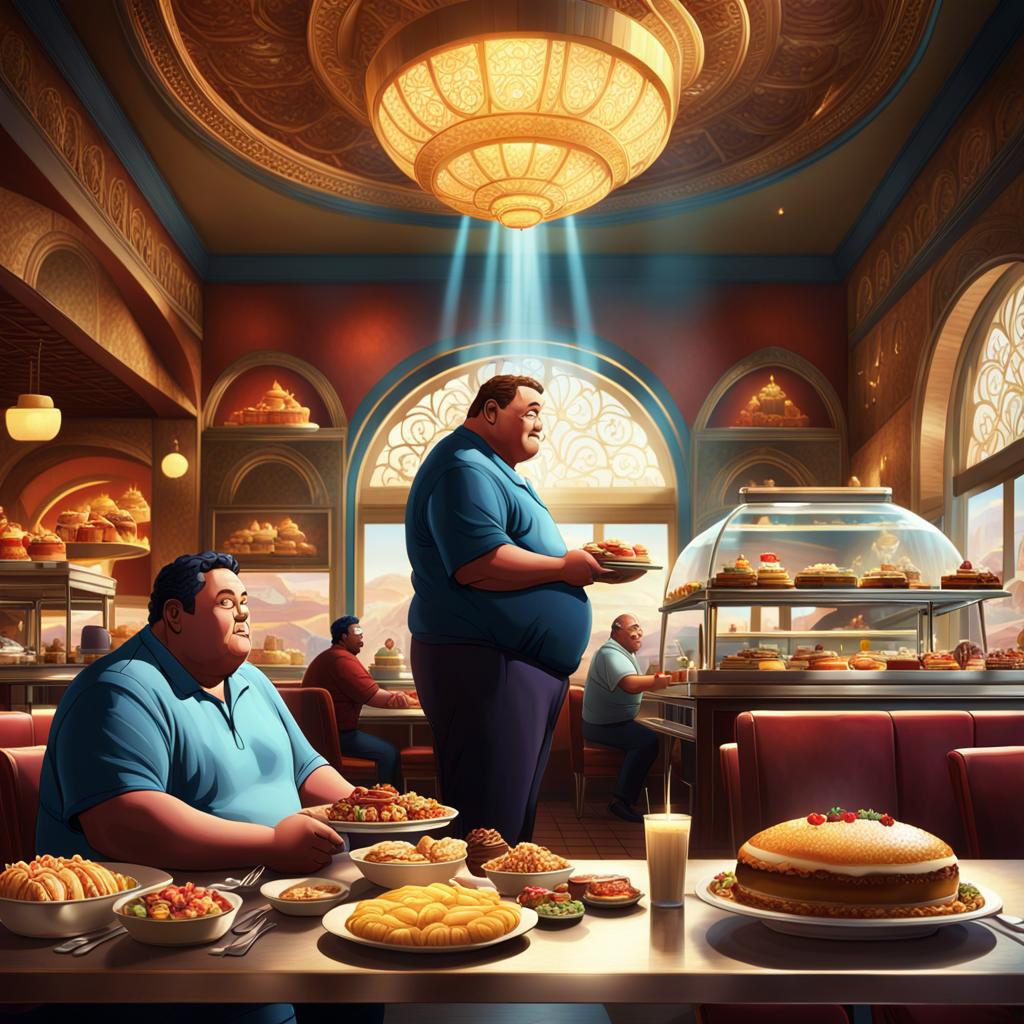
    Consider the food that we eat: too little or too much of some foods affects our ability to be healthy and mentally clear. It’s a side of us that we don’t usually associate with misbehavior except that it is, directed at ourselves. Many people stick to only what they like to eat and miss out on essential nutrients, causing an imbalance of what our body needs to work at its best and because this deficiency impacts brain function, it affects our emotions and our ability to make sound decisions.

    We are electro-biochemical beings that need a fine balance of biochemical compounds to operate efficiently. Biochemistry scientists tell us that the human body is almost entirely made up of just six chemical elements including calcium and phosphorus, but oxygen, hydrogen, carbon, and nitrogen account for 99% of all the atoms throughout our bodies, mostly as water. These are what biomolecules such as proteins, fats, DNA, and carbohydrates are made up of. Macromolecules of the food we eat is digested and turned into small molecules that can be absorbed into body fluids and transported to cells throughout the body.

    A hungry man is an angry man

    Remember the saying, a hungry man is an angry man? That is the perfect example of how lack of nutrients affects us. A lack of food can upset our well-being especially if we are used to eating regularly and are late for a meal. If we are not used to fasting and don’t know how to handle its effects, hunger can upset our moods. Nothing seems reasonable and we lose our patience because hunger is difficult to deal with, more so if we did not choose to go without food for that period. A poor diet affects our moods, responses, and memory, influencing our mental clarity and ability to respond adequately to anything.

    If we are ignorant or not watchful about what we eat there is a high chance of missing out on some very important and necessary foods. If you can read there is no excuse to remain ignorant about this. Now that we have resources on the Internet where a lot of information is published, it is easier to find out things we don’t know about. Just be sure that the information you get is based on evidence, on reliable and proper research.

    For example, we will find that nutrients such as B vitamins, especially B6, B9 and B12 are crucial for brain health as they help produce chemical substances called neurotransmitters such as serotonin, dopamine and GABA, which regulate mood and emotional stability. Vitamin D too, has a role in serotonin production. A deficiency in Magnesium is linked to anxiety and depression because it has a calming effect on the brain. Vitamin C and E and other antioxidants also support brain health and emotional well-being. A lack of Omega-3, a fatty acid, is strongly believed to impact memory loss and depression. If we want to be able to think clearly and rationally it is important to know what foods support our ability to be mentally healthy. Hericenones, erinacenes and polysaccharides are also compounds that enhance brain health. Do consult other references or a dietician for more information on various sources of these nutrients.

    Foods and moods

    On the other hand, things that influence mental health negatively are diets high in processed foods and sugars; a high sugar intake is associated with an increased risk of depression and anxiety as it causes spikes and crashes in blood sugar levels, leading to mood swings and irritability. Too much sugar in the diet also leads to obesity and there is growing evidence that the fatter we get, the smaller our brains become, likely affecting our intellectual capacity to make rational decisions. Obese people are also at higher risk for dementia and Alzheimer’s and become a burden to family and society. If you can think clearly you won’t act against your own and everyone else’s interests, which is the cause of most of our problems. We don’t respond adequately and in fact act stupidly when we exert our wills ignorantly to indulge in our own thoughtless wants. And it is not just a nutritional and biochemical imbalance we have to deal with, though it’s logical to see that it is a significant cause.

    While it is apparent that the food we eat or avoid may make us more prone to mood swings, and although there are medical conditions that affect our emotions, the main cause is our self, the ever-present ‘I’ that drives all that we think say or do. If we are capable of mindfulness or controlled attention, we are more aware of how we react to the things that evoke our reactions, the expressions of our emotions. Not a common skill for most people, but conscious awareness is the only thing that can help us overcome our tendency to react negatively to any situation or provocation. For those of us who don’t have recourse to spiritual teachings or mindfulness training, it is a challenge but not impossible. But we first must acknowledge and honestly face up to the feelings and emotions that we have and get carried away by if we are to understand them. One can only arrive at a solution if we define the problem.

    Thoughts and mental postures

    As any observer can see, pride is likely the most common mental posture humans adopt and one we hardly question: to feel pleased about something we relate to, either people, an idea or a skill. We take it for granted that it is a natural human trait. It is for many, and we take it for granted and don’t wonder if it has any basis, but if we bothered to think about it, there isn’t any. Pride is imaginary, a thought that we create “in our heads”. Even if it is justified by wealth, position, education or ability it is just a thought brought on by our ego, an idea we defend. Not that it is morally questionable, but it is a thought, an idea we imagine. What matters is how we behave because of it. Many of us have this secret prince or princess in our minds who won’t tolerate being offended or disrespected about things we feel proud of. This attitude separates us from one another, and separation is the cause of conflicts.

    All our emotions have this effect. For instance, we get worked up, get angry and hate someone but never question why we should feel that way… we just do it. If it is not caused by an outright wrongdoing, it is always because that person’s looks, behaviour or words don’t conform to what we think is “right” – we have given ourselves the authority to play boss, to decide how they should conduct themselves. We are blind to the fact that we are acting as self-appointed judges of what is “proper”. This disapproval is also rooted in jealousy – not liking that others have something that you don’t. See how emotions sway us in unbeneficial ways.

    Unforgiveness is yet another state of mind we allow ourselves to get into, clinging on to the hurt we feel for being wronged or offended. The degree of hurt is tied to the magnitude of our self-importance – the more important we think we are, the greater the pain. We feel that we are inviolable and hate to accept that the “offender” dared to say or do what they did. Note, we cannot be responsible for what goes on in another person’s mind and how they behave, but we can be mindful, attentive to how and why we react. Unforgiveness does us more harm than the person it is directed at, literally.

    Physiology of emotions

    The trouble with negative emotions is what they do to our bodies. When we stress ourselves with thoughts of rights and wrongs and should and should-nots it is we who suffer the consequences. Stress, mental conflicts, cause our bodies to release hormones that play havoc on our health. Remember the fight or flight response where our bodies produce these substances that increase blood pressure, speed up our breathing and generally agitate our physiology and you see how upset we can get – the total opposite of a calm and rational state. When this happens regularly, we can never remain cool and collected and will always react negatively in any situation.

    Worse still, we become prone to headaches, muscle pains, fatigue, stomach upsets, sleep problems and get sick more easily due to a weakened immune system. As a result, we become anxious, restless, less motivated to do things, start having memory problems, feel overwhelmed and avoid friends, become grumpy, stop exercising, have difficulty sleeping and feel sad or depressed, and lose our sex drive. These are unpleasant states to be in and we become unpleasant people to deal with.

    As if all this wasn’t bad enough, all these stress hormones released into our bloodstreams result in neck and shoulder pains because our blood vessels enlarge to allow faster oxygen delivery, causing us to clutch and tighten muscles in the neck, jaw and shoulders, increasing the tension in the muscles across the back, restricting neck and shoulder movement, making the pain feel worse. People who are stressed also turn to “comfort eating” – pleasuring themselves with foods high in fat and sugar to try to make themselves feel better but they become fatter and even more unhealthy. Isn’t that enough reason to try and find a way to avoid all this unpleasantness? Many of us claim to be seeking happiness but we are too mentally lazy to even think of what that means and persist in our childish egotistical ways of pleasing ourselves with temporary thrills through eating, sex, fantasy games, gambling, whatever can bring on that adrenaline rush of excitement. And forget about moral judgements, this is about unpleasant and even harmful consequences that we heedlessly invite to give ourselves the opposite of happy. Then we inflict other kinds of pain, our sour moods, on people around us. Silly just begins to describe this.

  • DEFENDING THE ‘ME’

    DEFENDING THE ‘ME’

    Do you notice that apart from what we own, the things we protect exist only in our minds? We defend things that nobody can see – ideas of who we are and what we know. Because we hold a certain image of ourselves, we do not like people to point out anything that disagrees with what we think. We hate to be corrected when we are wrong, to be exposed by our faults even when they are obvious. You see this in people of every age, socially, among families, friends, and colleagues, and more dangerously, between strangers. We may not see it as misbehavior but it does affect how we relate to people and how they perceive us.

    But what we are defending is an image we have created of ourselves. It could be because we have money and own more things or feel that we have more knowledge. It can also be based on our values. Right or wrong, good, or bad, are concepts we hold in our minds that we are proud of, that we do not like to be questioned about. Anyone who doubts or contradicts these thoughts becomes an enemy.

    The mental tricks we play on ourselves

     Note that these thoughts are not known to others, only we know about them. We decide how valid they are and how far we should go to defend them, which could have unexpected or unpleasant consequences. See how these thoughts rule us, our behaviour, our responses, and how they can cause problems in all our relationships.

    Yet we allow these unseen thoughts on likes and dislikes to control our lives. Of course, we all have our reasons about what we prefer, but the fact is that we are responsible for what we think. No matter what reasons or basis we have for thinking, saying, or doing what we do, we are the only ones who can stop the harmful words or actions that we inflict on each other. And it is possible to stop them when we acknowledge and realise that we would be hurt if the abuse was directed at us.

    Every sacred text has its version of the Golden Rule. The Buddha is quoted as saying, “Whatever is disagreeable to yourself, do not do unto others”; the Christian version is almost identical,  “Do unto others as you would have others do unto you”; the quotation from Confucius is, “Do not do to others what you do not want them to do to you”; while the Hindus say, “This is the sum of duty; do naught unto others what you would not have them do unto you”; in Islamic teachings, “Do unto all men as you would wish to have done to you”; and in Judaism, “Do good to others as you would like good to be done to you”. The reminders are repeated historically, and a person would have to be somewhat uneducated not to be aware of them or idiotically stubborn to ignore them.

    Yet we persist. We forget or ignore these sayings because of our stubborn egos. Notice again that this ego, the ‘I’ that we defend so strongly is, like so many other ideas we have, a thought form existing only in our imagination. It cannot be seen or touched. Which makes which? Does the ego create the thought or does the thought make the ego exist? You will not be able to tell. Both appear out of nothing, out of nowhere, like a conjurer’s trick, here one minute gone the next. Check it out. Get to the root if you can and if you do you could change the world.

    Even if you don’t change the world, you will see that the importance we place on this “thing” is weird and almost laughable except that we shed tears and cause others pain over it. We would be free if we didn’t have this emotional burden.

    Mind and body

    Even before people could write and produce books, they talked about mind and tried to define it. Scholars in the West now write about how we use our mind to analyze things while those of the East focus on intuition and how we experience our mind to sense things. Today’s scientists say that mind is an information processing system because of all the nerves that interact in the brain. They say that our mind is our brain because what we think about can be monitored: different parts of the brain show activity of electrical currents when we see, hear, or think about different things – how we measure space, use language, count using numbers, or feel (emotions) – can be observed as activity in different parts of the brain.

    But while these currents can be measured, and while the brain sends and receives signals to and from the parts of our bodies, it doesn’t mean that our brain is our mind, only that it shows how we respond to things. What if mind is some kind of invisible cosmic intelligence that we can somehow tap in the way that phones and radios detect signals in the atmosphere?

    Think about it and you’ll notice something. We can get new ideas when the ‘I’ is not there with all its inner chatter going on. Notice that when we are quiet and relaxed, we get answers to things we ponder about. We become able to know things intuitively.

    So where does it come from, these facts or truths we didn’t know before? Where from and how did great teachers receive this knowledge to be able to teach others? How did famous scientists solve scientific problems that others couldn’t? Inventors and other thinkers discovered things never heard of before and they changed the world. They somehow tapped into knowledge most of us can’t imagine. Or they might have re-interpreted the same information that other people have and came to their own conclusions. But it’s still very strange and fascinating.

    Mental and physical interdependence

    Whatever or wherever we think our mind is, we are affected by memory and how we react or respond to things. We do know that how our bodies feel affects our moods: going into a cool room after being out on a hot day, putting on a thermal jacket when it is cold, or after enjoying a meal that we like. Because our bodies are comfortable, we also feel mentally at ease or, as we say, we are in a good mood. Both physical and mental comfort depend on and affect each other.

    We know how we react to different things: touch a hot surface and you jerk your hand away; if you are confronted by a growling dog, you will stop moving or back away from what you sense to be dangerous. These things that happen to us, how we react, is called our ‘fight or flight response’ – we either stand and defend ourselves or run for our lives. It is our nature among humans and animals to try to survive from something that threatens us.

    Now see how our whole body responds – if we are attacked, hear loud frightening sounds, or become late for a deadline for example, several things happen in our body at the same time: our (sympathetic) nervous system sends chemical messengers (neurotransmitters) to different parts of the body. Immediately, our heart rate increases to pump blood faster to our muscles; the airways in our lungs widen to allow for more oxygen to come in for physical exertion; our eye pupils become bigger to help us see our surroundings clearly; we start sweating to help cool the body during exertion; hormones enter the bloodstream to boost the heart rate further, among other things. All this helps the blood flow to the brain to make us more aware, make faster decisions to respond to danger. We become more physically and mentally alert so that we can fight or run.

    These responses are very important to enable fast reactions in an emergency, but if they are activated constantly due to repeated stress it is bad for our health and we need to help our body and mind to maintain a more relaxed state for longer periods. Fortunately, just as our thoughts can make changes in our bodily functions, there are things we can do physically to make changes in our mental responses.

    Feelings affect the body and vice versa

    Breathing, for example, because it is tied to our emotions, both shows and affects how we feel. When we are angry, we breathe fast and hard, and when we are depressed, we usually take in shallow breaths. It is difficult to experience one emotional state while experiencing the breathing pattern of another emotion. Imagine yourself depressed then try to breathe deep and rapidly as an angry person does. You will discover that it cannot be done, that your mood changes. The oxygen requirement of one mental state is not the same as the other so if you consciously do a different kind of breathing it automatically changes your mood. (Thanks to Tom Kenyon for this tip).

    So, one of the fastest methods to bring your body into a calm and relaxed state is to consciously alter your breathing pattern. If you get anxious or agitated about something and feel breathless and you need to calm down quickly, breathe using your belly instead of your chest to draw air into your lungs. Shallow, upper chest breathing is a response to stress, and you counter its effects by consciously using deep belly breathing, which brings you into a calmer state. (People with low blood pressure or who have recently suffered a stroke, however, should consult their doctors before attempting any breathing technique.)

    The word hormone was mentioned – it comes from a Greek word, hormon, meaning ‘that which sets in motion’. Our hormones are chemicals made by glands or cells in our bodies and they activate or set things in motion when they are sent around our bodies through the bloodstream. Other organs or tissues respond to them, the way a key opens a door. We saw the effects they have when we react to danger, but there are other hormones which do the opposite and make us feel good.

    For instance, our brain releases oxytocin when we are touched or hugged by someone we love or when we spend time with family and friends, making us feel even closer to the ones we care about. Our brains also release serotonin, another feel-good hormone, when we eat certain foods like chocolate, or after doing hard exercise, making us feel happy. This feeling is also known as the “runner’s high” when we have achieved something that makes us feel good.

    Yet another way to relax quickly is to focus on your face. Our mental tensions, dissatisfaction, unhappiness, worry and anger toward things and people create physical tensions that show up as facial expressions. Here, again, a physical action will affect your mood. Relax your facial muscles gradually, starting at your forehead, down to your eyes, cheeks and mouth, jaws, chin, and neck. This helps you to relax and is useful when you are in bed and trying to fall asleep at night. People also practise this to prepare for meditation, but they extend their muscle relaxation downward from the neck to shoulders, arms, fingers, torso, thighs, knees, calves, ankles, feet, and toes. Such is the human body, which is affected a lot by what we think about and do.

    Be fully aware we are physical bodies; we function through six senses; we can perceive this sensory input; we can exert our will; and we have the consciousness to be aware of all this. A deep understanding of these five things that most of us take for granted helps us realize that we do not even know where our desires come from. How do they arise? Why do we get carried away by them blindly and suffer for it?https://freemefromme28.wordpress.com/2024/11/21/self-slavery/